Module 1a

Understanding Your Skin–Mind Connection

Credits: Michelle Leung BScN; Kevin Li BSc MSPH
Dr. Marlene Dytoc MD PhD FRCPC
Designed by: Danting Zheng BSc Undergraduate

↓ Scroll to begin
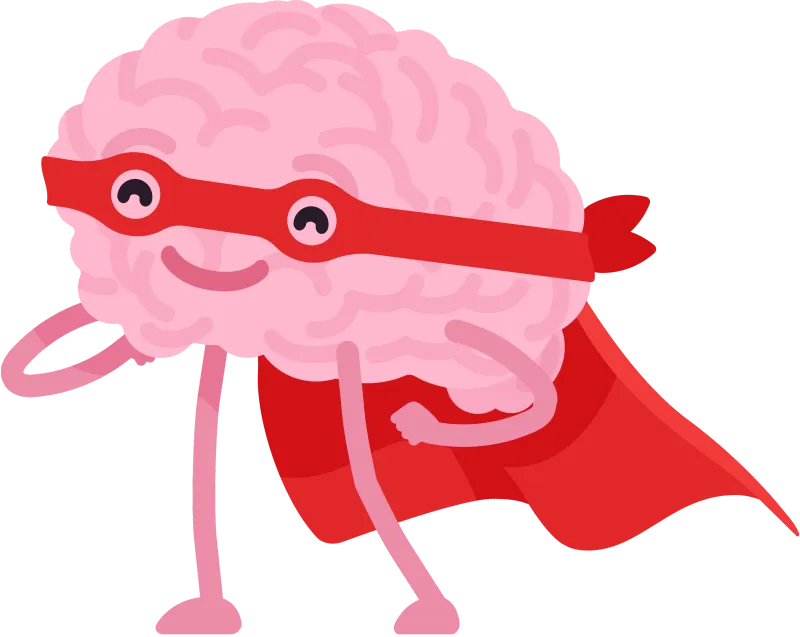
A smiling brain character wearing a superhero mask and cape

What We'll Explore Together

By the end of this module, you'll be able to:

Objective #1Understand the basics of Psychodermatology – the link between your mind and skin.
Objective #2See how stress can worsen your eczema symptoms.
Objective #3Recognize the various ways eczema can impact your life and well-being.
Objective #4Learn how your dermatologist can help you manage these aspects.

Module outline

  1. 01What is Eczema (Atopic Dermatitis)? A Quick Refresher
  2. 02The Skin-Mind Link: Introducing Psychodermatology
  3. 03Stress and Your Eczema: A Closer Look
  4. 04How Stress Can Intensify Eczema
  5. 05How Does Stress Make Eczema Worse?
  6. a) On Your Daily Life & Emotional Well-being
  7. 06Partnering with Your Dermatologist
  8. 07Key Takeaways

Our Journey Today!

What is Eczema (Atopic Dermatitis)?

DNA strand
↓

Atopic dermatitis (AD) is a common chronic inflammatory skin disease. It's a complex genetic disease with environmental influences.

A hand with an itchy rash
↓

Characterised by intense itchiness and inflammation.
A baby
↓

Typically begins during infancy or early childhood (early onset), but can also occasionally first develop in adulthood (late onset).

A person holding up a heart
↓

Can have profound and adverse impacts on the quality of life.

The Skin–Mind Link: Introducing Psychodermatology
Your skin and brain are deeply and intricately connected through shared nerve pathways, hormones, and immune signals. Psychodermatology is the field of medicine that studies and addresses this vital link.
Emotional factors like stress, anxiety, and low mood can directly influence skin conditions like eczema — often triggering or significantly worsening symptoms.
And the relationship goes both ways. Living with a visible skin condition can, in turn, affect your self-esteem, confidence, and mental well-being.
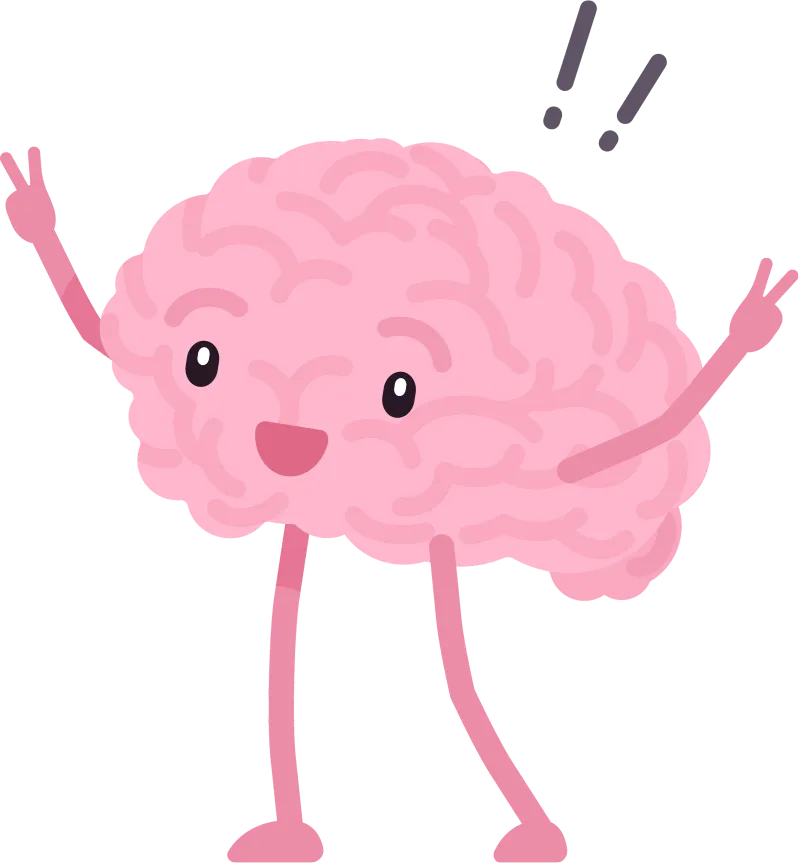
A happy brain character celebrating

Stress and Your Eczema: A Closer Look

For many adults, stress is a primary trigger or a major factor that worsens eczema flare-ups.

Stressors can be varied: work pressures, relationship challenges, financial worries, significant life changes, or even the daily burden of managing a chronic condition.

💡 Recognising your personal stress signals and how they might correlate with your eczema is an important step in management.

How Does Stress Make Eczema Worse?

(The Science, Simplified!)

A stressed person

Stress

Your brain activates the "fight or flight" response, releasing stress hormones like cortisol and adrenaline.
↓
A hand with weakened skin

↓ Skin Barrier Integrity

Weakens your skin's protective barrier, making it more vulnerable to irritants and moisture loss.
A hand scratching skin

↑ Itching, Scratching & Skin Pain

Stir up the immune system (allergic-type inflammation), leading to more itching, scratching, and skin pain.

Want to Go Deeper?

The science behind stress and eczema — for the curious.
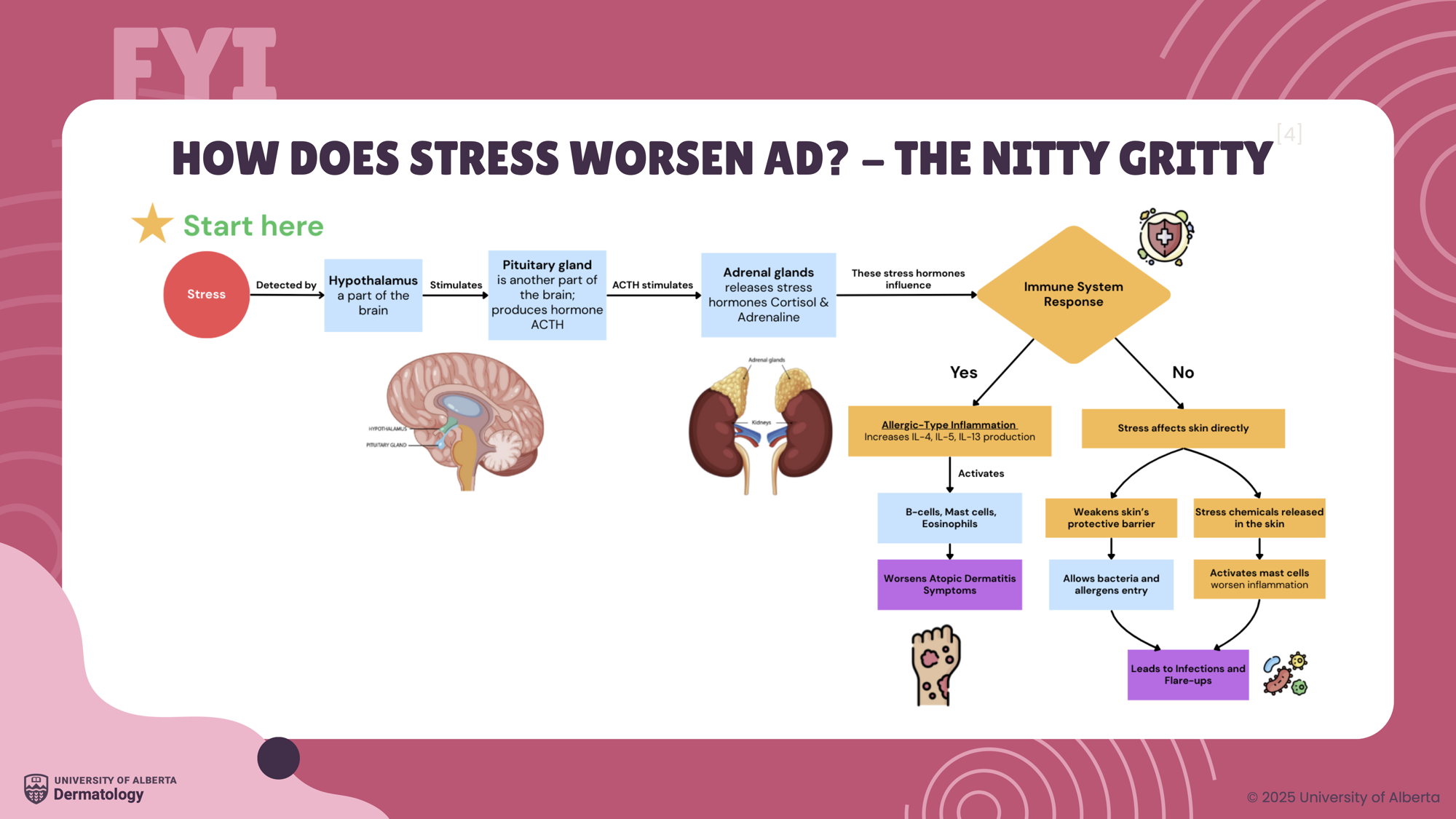
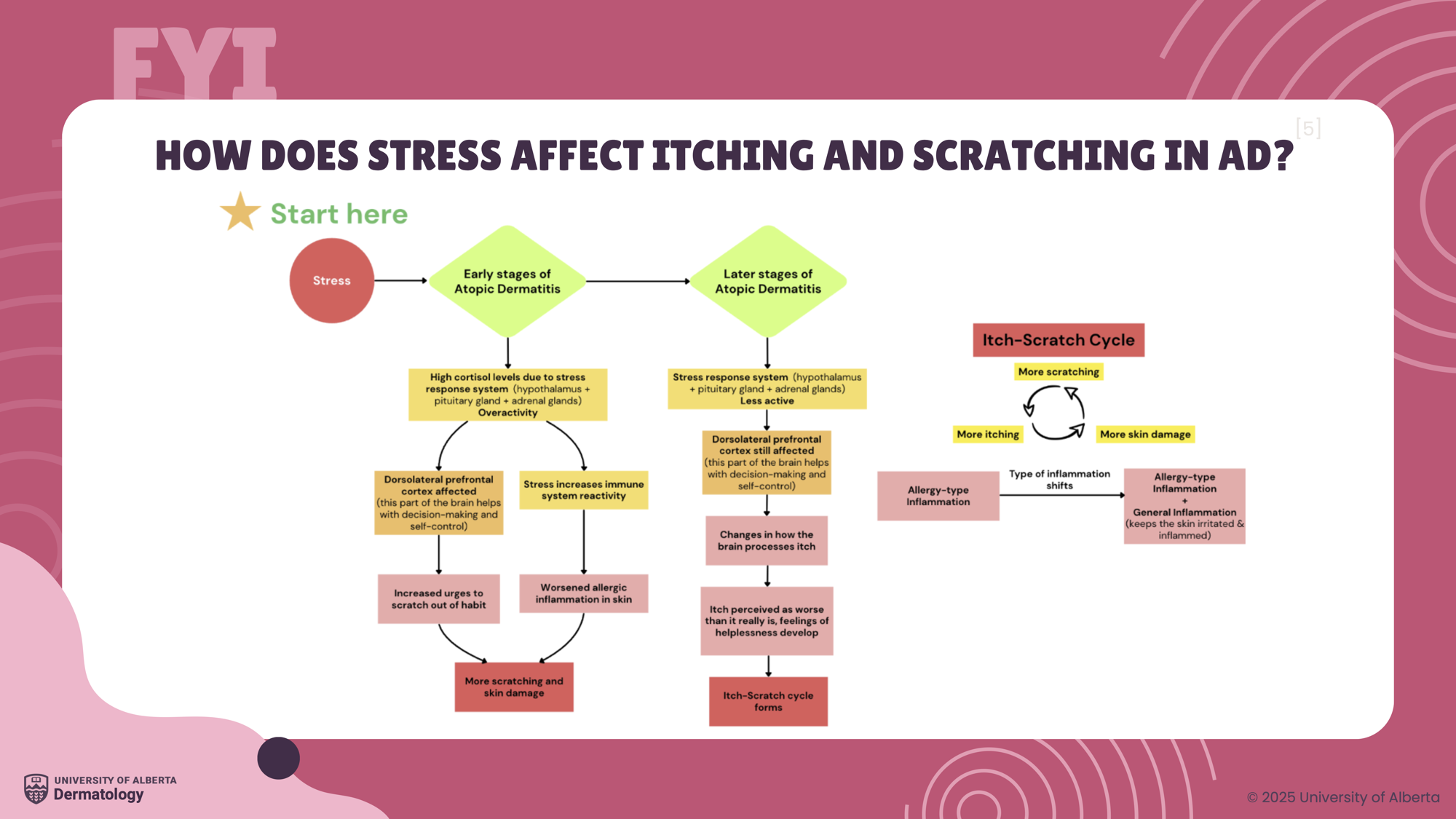
How stress hormones affect your immune system and skin barrier How stress affects itching and scratching in atopic dermatitis

The Wider Impact of Eczema on Your Life

Eczema's reach extends beyond your skin. It can affect:

Sleep Quality

Nighttime itch is common, leading to disrupted sleep, fatigue, and reduced daytime functioning.

Emotional Well-being

Living with chronic itch and visible skin changes can lead to frustration, anxiety, and low mood.

Daily Activities & Social Life

You might avoid certain activities, clothing, or social situations due to discomfort or concerns about your skin's appearance.

Work/Study Performance

Discomfort, lack of sleep, and emotional distress can impact concentration and productivity.

Eczema and Your Mental Well-being

It's well-documented that adults with eczema have a higher likelihood of experiencing anxiety and/or depression compared to those without eczema.

This isn't a sign of weakness — it's an understandable consequence of managing a chronic, often challenging condition.
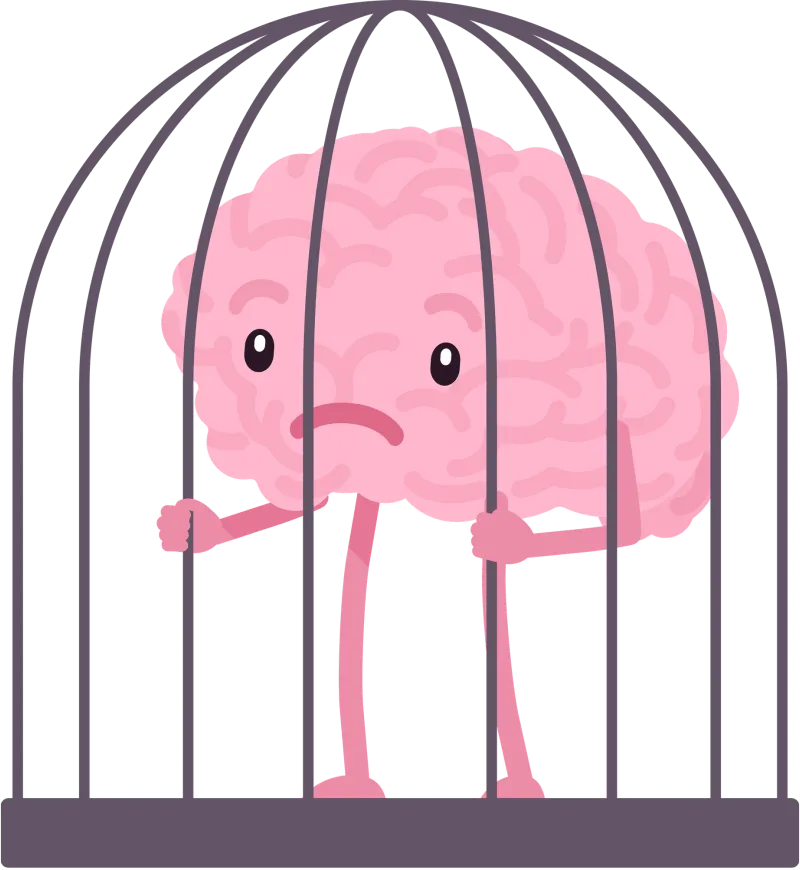
💡 If you're struggling with your mood, anxiety, or how eczema is impacting your mental health, please know that effective support is available.
A brain character inside a cage, looking sad
A brain character wearing a crown

Partnering with Your Dermatologist

Your dermatologist can be a key ally in managing the broader impacts of your eczema. Don't hesitate to:

  • Discuss the Full Impact: Share how eczema affects your sleep, mood, work, and daily life — not just the physical symptoms.
  • Ask About the Skin-Mind Aspect: Inquire about strategies or resources your care team recommends for managing stress-related flares.
  • Seek Referrals: If you're struggling emotionally, ask if they can refer you to mental health professionals or support groups familiar with chronic skin conditions.
  • Collaborate on Your Treatment Plan: Work together to find a plan that addresses your skin while also fitting into your daily life.

Thinking it Through

Question 1 of 5
You've noticed that during periods of high stress at work or in your personal life, your eczema tends to flare up more intensely, and the itch feels almost unbearable. This experience best illustrates:
Exactly! Stress is a well-known trigger or exacerbating factor for many individuals with eczema. Understanding this skin-mind link is crucial for developing a holistic management approach.

Thinking it Through

Question 2 of 5
After a particularly demanding month preparing for a major project deadline, you notice your eczema — which had been relatively calm — has flared up significantly. The most likely contributing factor related to the skin-mind connection here is:
That's right! While other factors can play a role, significant periods of stress are very common triggers for eczema flare-ups due to the impact of stress hormones on your immune system and skin barrier.

Thinking it Through

Question 3 of 5
When you're under significant stress, you notice your eczema not only flares up but also feels much itchier and more inflamed. This is often because stress can directly:
Exactly! Stress prompts the release of hormones like cortisol, which can fuel inflammation and compromise your skin's natural defences, making eczema symptoms worse.

Thinking it Through

Question 4 of 5
You've been consistently feeling down and anxious for several weeks, finding it hard to enjoy things you used to love, and you suspect it's linked to the ongoing stress of managing a severe eczema flare-up. The most appropriate next step would be:
This is a proactive and important step. Your doctors can help address both the physical and emotional aspects of eczema, or refer you to specialists who can provide mental health support. You don't have to manage these feelings alone.

Thinking it Through

Question 5 of 5
When discussing your eczema with your dermatologist, you mention that frequent flare-ups are causing significant stress and affecting your sleep. A helpful dermatologist is most likely to:
A holistic approach is key. Good dermatological care involves understanding and addressing the various factors that influence eczema, including stress and its impact on quality of life.

Let's Recap! Key Takeaways

  • › Your skin and mind are deeply connected; stress and emotions can significantly influence your eczema.
  • › Recognising stress as a trigger is a crucial step in managing flare-ups.
  • › Eczema's impact goes beyond the skin — affecting sleep, mood, and daily life. These are valid concerns.
  • › Partner with your dermatologist to address both the physical and emotional aspects of your eczema.

This module is for general education and is not a substitute for medical advice from your doctor or dermatologist. In a crisis or if you are thinking about harming yourself, call 911, or the AHS Mental Health Helpline at 1-877-303-2642.

Sources
  1. Bolognia JL, Schaffer JV, Cerroni L. Dermatology. 5th ed. Elsevier; 2021:210.
  2. Koo J, Lebwohl A. Psychodermatology: the mind and skin connection. Am Fam Physician. 2001;64(11):1873-1879.
  3. National Eczema Society. Eczema Unmasked Report. 2020.
  4. Arndt J, Smith N, Tausk F. Stress and atopic dermatitis. Curr Allergy Asthma Rep. 2008;8(4):312-317.
  5. Nakagawa Y, Yamada S. Alterations in Brain Neural Network and Stress System in Atopic Dermatitis. J Pharmacol Exp Ther. 2023;385(2):78-87.
  6. Silverberg JI, et al. Patient burden and quality of life in atopic dermatitis in US adults. Ann Allergy Asthma Immunol. 2018;121(3):340-347.
  7. Ring J, et al. Atopic eczema: burden of disease and individual suffering. J Eur Acad Dermatol Venereol. 2019;33(7):1331-1340.
  8. Strom MA, et al. Association between atopic dermatitis and ADHD. Br J Dermatol. 2016;175(5):920-929.
  9. Silverberg JI, et al. Symptoms and diagnosis of anxiety and depression in atopic dermatitis. Br J Dermatol. 2019;181(3):554-565.
  10. Cheng BT, Silverberg JI. Depression and psychological distress in US adults with atopic dermatitis. Ann Allergy Asthma Immunol. 2019;123(2):179-185.
  11. Sandhu JK, et al. Association Between Atopic Dermatitis and Suicidality. JAMA Dermatol. 2019;155(2):178-187.
  12. Christensen RE, Jafferany M. Psychiatric and psychologic aspects of chronic skin diseases. Clin Dermatol. 2023;41(1):75-81.