

Module 2

Breaking the Itch–Scratch Cycle

Credits: Parsa Abdi, BEng; Kevin Li BSc MSPH
Dr. Marlene Dytoc MD, PhD, FRCPC
Designed by: Danting Zheng BSc Undergraduate

↓ Scroll to begin
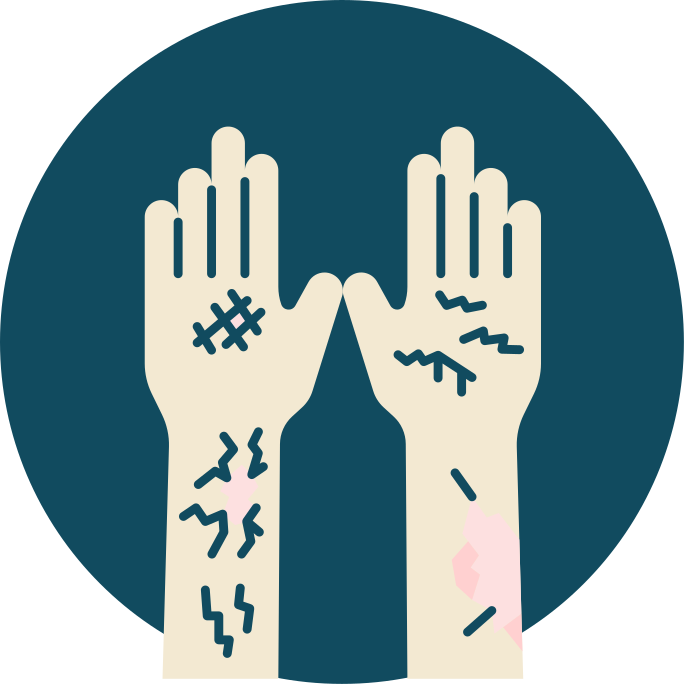
Two raised hands showing scratch marks and irritated skin

What We'll Learn About Itch

By the end of this module, you'll be able to:

Objective #1Understand what causes itch in eczema and why it feels so hard to resist.
Objective #2Explain how scratching feeds the itch-scratch cycle and keeps skin damaged.
Objective #3Identify the emotional and physical triggers that make itch worse.
Objective #4Apply practical techniques — including HRT and Soak & Seal — to break the cycle.

Module outline

  1. 01Understanding Itch
  2. a) What is itch?
  3. b) What is the itch-scratch cycle?
  4. 02What Makes Itching Worse?
  5. a) Emotional triggers (Feelings matter!)
  6. b) Physical triggers (Things around us)
  7. c) Nighttime itch
  8. 03Breaking the Cycle
  9. a) Habit Reversal Therapy
  10. b) Moisturizing the right way
  11. c) Wet wrap therapy
  12. 04Key Takeaways

Our Itch-Busting Plan

What is an Itch?

Itch is your body's way of telling you something is irritating your skin.

In eczema, the skin becomes dry, inflamed, and very sensitive.

Even small things, like heat or sweat, can make it feel itchy.
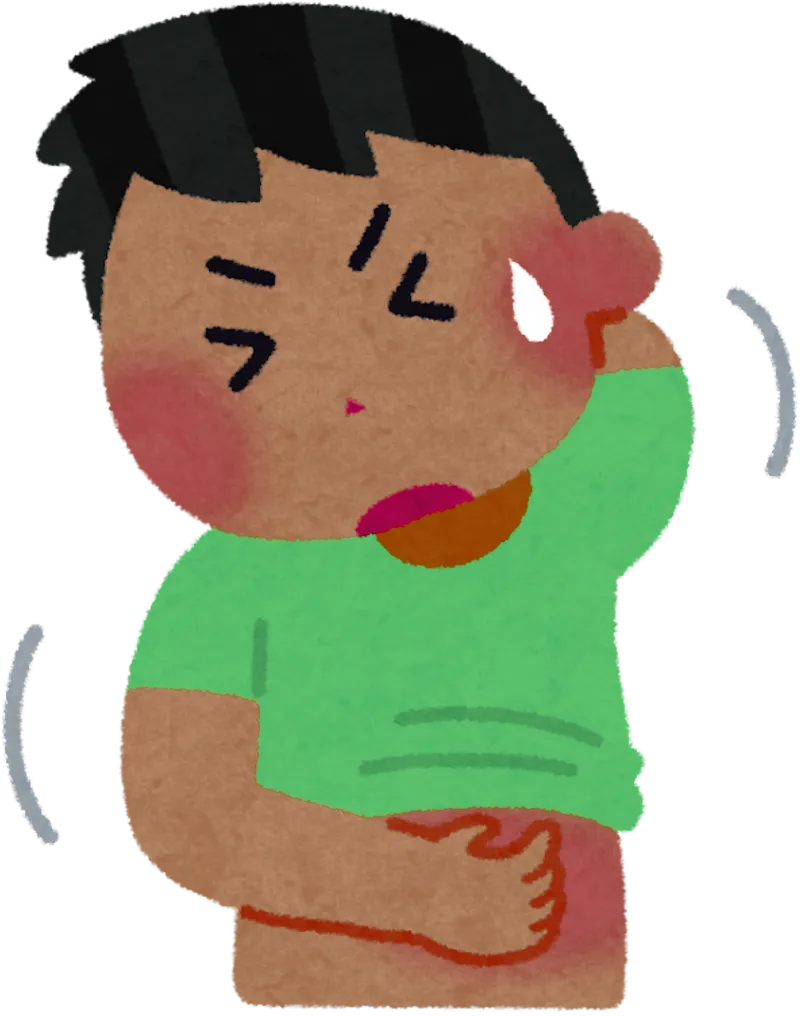
💡 Why does it matter? Scratching might feel good for a moment… but it leads to more damage, more irritation, and more itch.
A child scratching an itchy neck

The Itch–Scratch Cycle

In eczema, itch doesn't just come and go… it feeds on itself.

  • Itch causes scratching
  • Scratching causes skin damage
  • Damaged skin leads to more itch

This creates a vicious cycle that makes eczema worse over time.
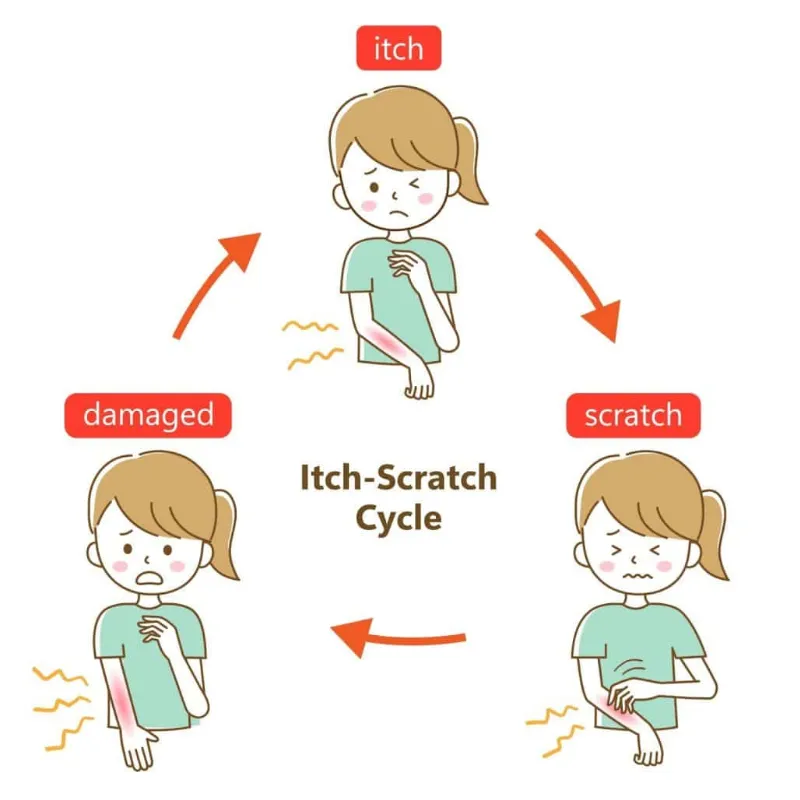
Itch-scratch cycle: itch leads to scratching, scratching damages the skin, and damaged skin leads to more itch
💡 Breaking the cycle is key to healing
Emotional Triggers for Itch

The brain and skin are closely connected — your feelings can shape how itchy you feel.

Some people scratch without realizing it — like when they feel nervous or distracted.

Feeling stressed can make the skin more sensitive and itch harder to ignore.

Some people scratch more when they're tired or having a tough day.

Physical Triggers for Itch

Looking for eczema-friendly products? Browse your clinic's accepted products list to find gentle, fragrance-free options.
  • Soaps, shampoos, or detergents with fragrance or harsh ingredients.
  • Heat and sweat.
  • Dry air or sudden weather changes.
  • Rough fabrics like wool or polyester.
  • Dust, pet dander, or pollen.
  • Long, hot baths or showers.

Why Itch Gets Worse at Night

Four reasons the darkness makes itch harder to handle.

Fewer Distractions

Without the day's activity to occupy your mind, itch signals get your full attention.

Cortisol Dips

Your body's natural anti-inflammatory cortisol drops overnight, reducing its suppression of itch.

Body Temperature

Bed warmth raises your core temperature, which intensifies nerve itch signals in the skin.
Skin Dryness

Skin loses moisture overnight — especially in heated bedrooms — worsening the itch barrier breakdown.

Habit Reversal Therapy

01

Notice the Urge

Build awareness of the moment the scratching urge arises — before your hand moves automatically.

02

Use a Competing Response

Replace scratching with a deliberate action: clench your fist, press your palm flat, or apply firm pressure to the itch site.

03

Practise Consistently

Over time, the competing response becomes your new automatic reaction — and the scratching habit weakens.

Practice worksheet

Habit Reversal Therapy Worksheet

Notice your scratch pattern, pick a competing response, and track your urges over 1–2 weeks.
→
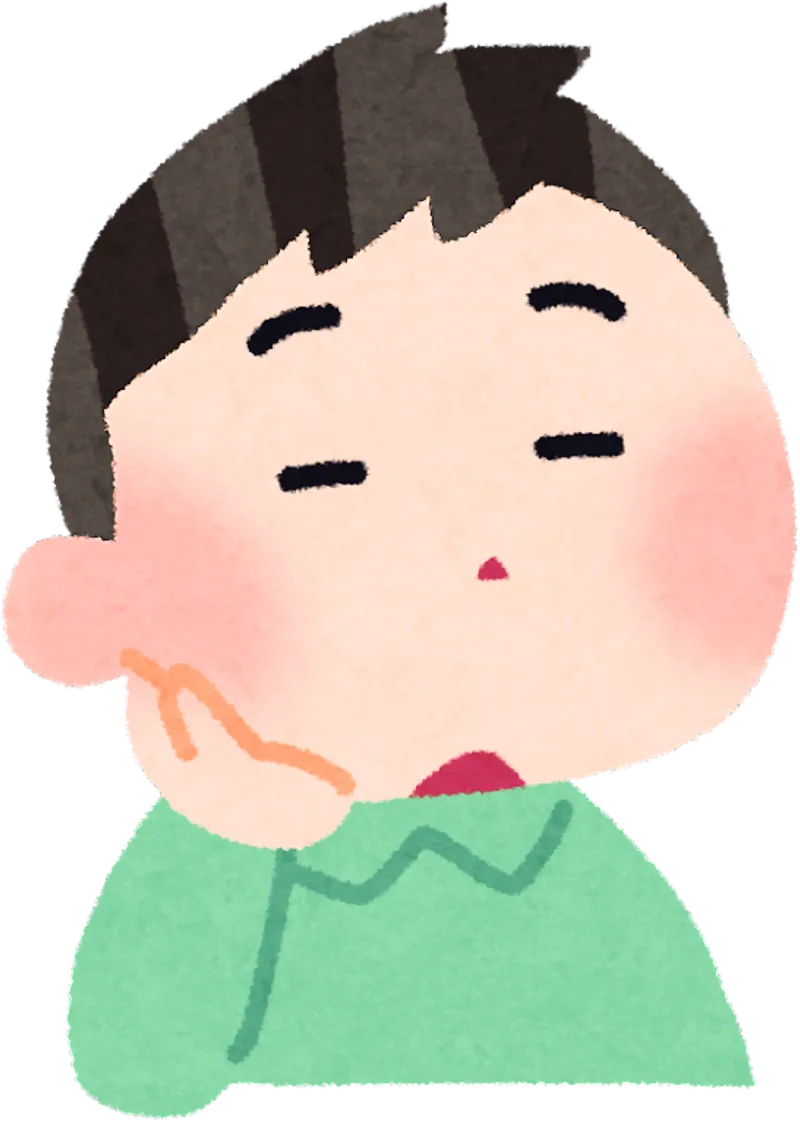
A person resting their chin on their hand, thinking

Soak & Seal — and Wet Wraps

Moisture locked in quickly makes a measurable difference.

1

Warm bath or shower (5–10 min)

Warm — not hot. Hot water strips the skin barrier and worsens inflammation.

2

Pat gently — leave slightly damp

Damp skin absorbs moisturizer more effectively than completely dry skin.

3

Apply thick moisturizer within 3 minutes

Use a cream or ointment — not a lotion, which is too watery and evaporates quickly.

Wet wrap therapy Apply a layer of medicated cream or moisturizer, then wrap the skin in damp cotton, followed by a dry layer over the top. It can provide significant relief during severe flares. Ask your doctor before trying it at home.

Step-by-step guide

Wet Wrap Therapy

A printable checklist for each step — including what to watch for and when to call your clinic.

→

Protecting Your Sleep

Small changes at bedtime can significantly reduce night scratching.

  • Keep your room coolA cooler bedroom (16–18°C) reduces the temperature rise that intensifies itch at night.
  • Wear soft cotton glovesThey limit the damage from unconscious scratching during sleep.
  • Keep nails short and smoothShort nails cause far less skin damage if scratching happens.
  • Soak & Seal before bedLocks in hydration and reduces overnight dryness and itch.
A sleepy person resting

Thinking it Through

Question 1 of 4
You scratch intensely during an eczema flare and feel brief relief. But within minutes, the itch returns stronger than before, and your skin is now red and raw. This is an example of:
Exactly. Scratching gives momentary relief by overloading the nerve signals — but it also damages the skin barrier, triggering more inflammation and more itch. Breaking this cycle is the core aim of this module.

Thinking it Through

Question 2 of 4
It's been a particularly stressful week at work and your eczema has flared significantly — even though you haven't changed your moisturizer or been exposed to any new products. Which of the following best explains this?
That's right. Stress activates the body's fight-or-flight response, releasing hormones that fuel skin inflammation and heighten the nervous system's sensitivity to itch — even when there's no new physical trigger.

Thinking it Through

Question 3 of 4
Your dermatologist suggests that whenever you feel the urge to scratch, you clench your fist tightly for 30 seconds instead. Over time, this becomes your automatic response to the itch urge. What technique is this called?
Correct. Habit Reversal Therapy teaches you to replace the automatic scratching response with a competing response — a deliberate physical action that interrupts the habit loop and gives your skin time to recover.

Thinking it Through

Question 4 of 4
You've been waking up at 3am to find you've been scratching your arms badly in your sleep. Which of the following approaches is most likely to help?
That's the right idea. Soak & Seal locks in moisture before the skin dries out overnight, and soft cotton gloves reduce the damage from sleep scratching. Hot showers, fans on dry skin, and skipping moisturizer would all make things worse.

Let's Recap! Key Takeaways

  • › Itch leads to scratching. Scratching damages skin. Damaged skin itches more. This is the cycle you are breaking.
  • › Emotional triggers — stress, anxiety, tiredness — are just as real as physical ones.
  • › Itch gets worse at night because of fewer distractions, dropping cortisol, warmth, and skin dryness.
  • › Habit Reversal Therapy gives your hands a different, deliberate response to the urge to scratch.
  • › Soak & Seal — within 3 minutes of bathing — is one of the most effective ways to lock in moisture and reduce itch.

This module is for general education and is not a substitute for medical advice from your doctor or dermatologist. In a crisis or if you are thinking about harming yourself, call 911, or the AHS Mental Health Helpline at 1-877-303-2642.

Sources
  1. Yosipovitch G, Berger T, Fassett MS. Neuroimmune interactions in chronic itch of atopic dermatitis. J Eur Acad Dermatol Venereol. 2020;34(2):239-250.
  2. Wollenberg A, et al. Consensus-based European guidelines for treatment of atopic eczema (atopic dermatitis). J Eur Acad Dermatol Venereol. 2018;32(5):850-878.
  3. Norén P, et al. The positive effects of habit reversal treatment of scratching in children with atopic dermatitis. Br J Dermatol. 1995;132(6):1-6.
  4. Grimalt R. A practical guide to scalp disorders. J Investig Dermatol Symp Proc. 2007;12(2):10-14.
  5. Chrostowska-Plak D, Salomon J, Reich A, Szepietowski JC. Clinical aspects of itch in adult atopic dermatitis patients. Acta Derm Venereol. 2009;89(4):379-383.
  6. National Eczema Association. Itch and Eczema: Managing the Itch-Scratch Cycle. nationaleczema.org.
  7. Eichenfield LF, et al. Guidelines of care for the management of atopic dermatitis. J Am Acad Dermatol. 2014;71(1):116-132.