
Module 4

Building a Support Network

Credits: Adam Yu, BMLSc, MSc; Kevin Li BSc MSPH
Dr. Marlene Dytoc MD PhD FRCPC
Designed by: Danting Zheng BSc Undergraduate

↓ Scroll to begin
Two friendly characters holding hands, representing support and togetherness

What We'll Discover About Support

By the end of our time together, you'll be able to:

Objective #1Recognize how eczema can impact your emotional well-being, social life, and self-esteem.
Objective #2Recognize when it might be time to seek extra help for emotional well-being.
Objective #3Identify who can be part of you/your child's personal support network.
Objective #4Learn ways to cope with the daily challenges of eczema.
Objective #5Feel more confident talking to doctors about care that addresses both your skin and mental health needs.
Objective #6Find trusted online and community resources for ongoing support.

Module outline

  1. 01Eczema's Impact: More Than Just Skin
  2. 02When and How to Get Mental Health Support
  3. a) Signs it's time to seek extra help
  4. b) Talking to Your Doctor About Feelings
  5. 03Breaking the Cycle
  6. a) Who's on your team?
  7. b) Getting Support at Home & School
  8. c) Handling Stigma and Boosting Confidence
  9. d) Helping Your Child Cope
  10. 04Where to Find Trusted Resources

Building Your Team

Eczema Affects More Than Just Skin

Living with eczema presents unique challenges. You/your child might:

  • Feel frustrated, overwhelmed, or self-conscious.
  • Avoid social events, feel hesitant in relationships, or struggle with how to explain your condition to others.
  • Have issues with concentration, productivity, or hobbies.
  • Experience poor self-esteem and body image.

Remember, you're not alone in this. This module is about finding the support you all deserve.
An overwhelmed character, representing eczema's emotional impact

Mental Health & Eczema: When to Get Extra Help

It's Normal to Feel

  • Embarrassed about your skin
  • Stressed about managing treatment
  • Sad or anxious during flare-ups

When to Get Help

  • Feeling down most days
  • Avoiding friends or school
  • Trouble sleeping or eating
  • Feeling hopeless
  • Struggling to stick with treatment, or feeling overwhelmed as a caregiver

If you need to talk to someone now — AHS Mental Health Helpline

1-877-303-2642

Free, confidential support, 24/7. Your GP or dermatologist can also be a good first point of contact for referrals.

Thinking it Through

Question 1 of 5
Lately, 8-year-old Emily, who has eczema, has been saying she doesn't want to go to her best friend's birthday party or her weekly art class, even though she used to love them. She also seems sad most evenings. These changes might suggest:
Exactly. Withdrawing from activities she used to love, along with persistent sadness, can be a sign that eczema is affecting Emily's emotional well-being. Gently talking with her doctor about mental-health support is a caring and appropriate first step.
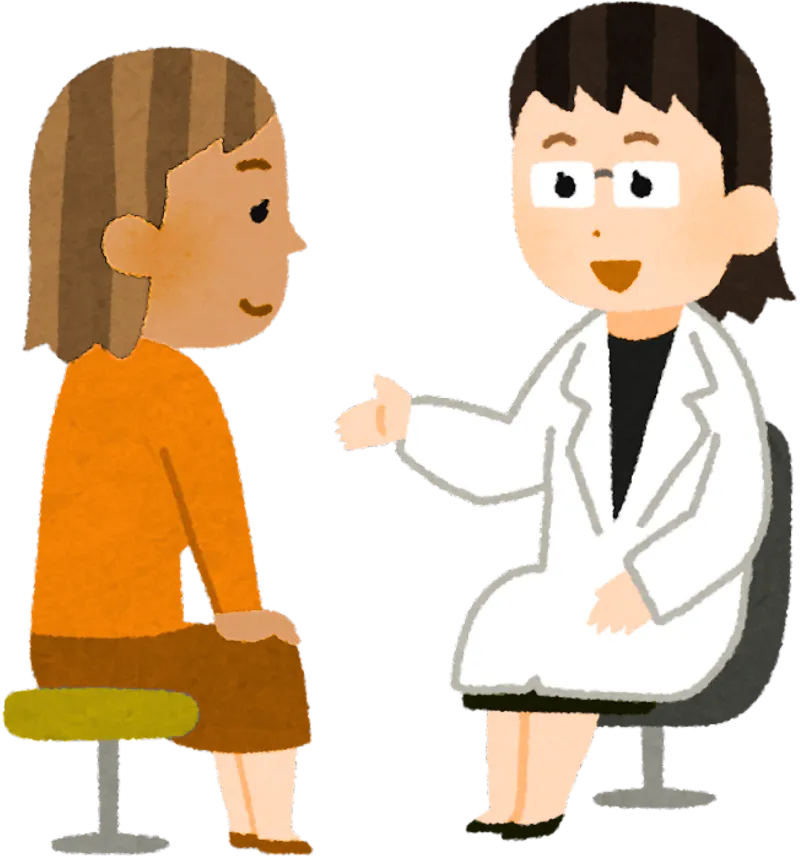
A patient talking with a doctor

Talking to Your Doctor About Feelings

Your doctors need the full picture to help you/your child best. What you/your child can say:

  • “This flare-up is really getting me down.”
  • “I'm stressed and not sleeping well.”
  • “Can I talk to someone about how I'm feeling?”

This helps your doctor support your whole health.

Who Can Be Part of Your Support Team?

A good support team might include:

  • Dermatologist or family doctor
  • Mental health counselor or therapist
  • Parents or guardians
  • Siblings and friends
  • Teachers or school staff
  • Online eczema communities & peers in group programs

A group of people forming a support community
Multidisciplinary educational programs — involving different types of helpers — can reduce fear about treatments and boost everyone's confidence!

Building Support at Home & School

At Home

  • Let your family know how they can help
  • Ask for support with managing your condition, like remembering treatments or avoiding triggers

At School or Work

  • Talk to a teacher or boss about your condition
  • Ask for help with triggers (e.g. replacing harsh soaps in bathrooms)
  • Report bullying or teasing
💡 Mindfulness or stress-reduction tools can also help focus and regulate emotions!
A child being comforted after teasing

Handling Stigma & Boosting Confidence

Sometimes people don't understand eczema. You/your child might be teased, feel embarrassed or “different,” or try to hide their skin. What helps:

  • Practice kind self-talk: “I'm more than my skin.”
  • Educate others (if you choose) — sharing factual information can dispel misconceptions.
  • Talk to an adult if bullied.
  • Join groups where you feel understood.

Programs that encourage sharing stories can reduce isolation and boost confidence.
Thinking it Through

Question 2 of 5
You're at a work event, and a colleague you don't know well asks, “What's wrong with your hands? Is that contagious?” A self-empowered response that respects your boundaries could be:
This response is informative, sets a clear boundary, and allows you to control the flow of conversation — all while maintaining your composure.

Thinking it Through

Question 3 of 5
10-year-old Alex is sometimes teased at school about the red patches on his arms. His mom is looking for ways to help him. Which of the following would be a constructive first step?
This is a great approach! It empowers Alex with internal coping strategies (self-talk) and a plan for seeking help from a trusted adult if the bullying persists.

Helping Your Child Cope

For parents and caregivers:

  • Encourage kids to talk about their feelings
  • Use calm-down tools (deep breaths, drawing, breaks)
  • Praise their courage and effort
  • Help them practice responses to curious questions

A child using a calm-down coping tool
Educational programs for caregivers help reduce child and parent anxiety and improve eczema management.

Thinking it Through

Question 4 of 5
When her 5-year-old son gets very frustrated by an itchy flare-up, his mom encourages him to take three slow “dragon breaths” (breathing in through the nose, out through the mouth like a gentle dragon). This is an example of:
That's a wonderful strategy! Simple calm-down techniques like deep breathing can help children (and adults!) manage the frustration and anxiety that often come with an itchy flare-up.

Where to Find Support

In-person help:

  • Ask your doctor for a counselor or support group
  • Many hospitals have patient support services

Online resources:

  • Eczema Society of Canada — eczemahelp.ca
  • National Eczema Association — nationaleczema.org
  • MyEczemaTeam — peer support online
  • KidsHealth.org — tools for youth and parents
💡 Be discerning with online information. Stick to well-known patient advocacy groups, medical institutions, and government health sites.

AHS Mental Health Helpline

1-877-303-2642

Free & confidential, 24/7.

Thinking it Through

Question 5 of 5
A parent is feeling overwhelmed managing their child's eczema and wants to connect with other parents who understand. Their child's dermatologist mentions a reputable national eczema organization's website. This type of resource is valuable because it often provides:
Exactly! Reputable organizations provide a wealth of trustworthy information, connect you with others who share similar experiences, and can point you towards helpful programs and resources.

You've Got This — Together!

  • ›Eczema affects more than just your skin — it can impact your mood, sleep, confidence, and daily life.
  • ›You don't have to manage it alone. Support from family, friends, doctors, and community makes a real difference.
  • ›Talking about your feelings is important. Your doctor can help you connect with mental-health support.
  • ›Education helps everyone. When families understand eczema better, they feel more confident and less stressed.
  • ›Group programs and online tools work — sharing experiences reduces isolation and can improve treatment.
  • ›Start early and keep building your team. A strong support network improves quality of life for everyone.

Need to talk to someone? AHS Mental Health Helpline

1-877-303-2642

Free & confidential support, 24/7.

This module is for general education and is not a substitute for medical advice from your doctor or dermatologist. In a crisis or if you are thinking about harming yourself, call 911, or the AHS Mental Health Helpline at 1-877-303-2642.

Sources
  1. Fung YL, Leung HT, Chan CLW. Efficacy of Integrative Body-Mind-Spirit group intervention for parents of children with eczema. Qual Health Res. 2020;30(6).
  2. Dufresne H, Bekel L, Compain S, et al. Efficiency of a therapeutic patient education programme in children with severe atopic dermatitis. J Eur Acad Dermatol Venereol. 2020;34(9):2003–2010.
  3. Greenwell K, McPherson T. Mental health in people with eczema: a critical priority. Br J Gen Pract. 2024;74(739):112–118.
  4. Fung IC, Kremer H, MacDermott A. Talking to doctors about feelings: improving emotional communication in chronic skin disease care. Qual Health Res. 2020;30(8):1201–1213.
  5. Andrade C, Helland T, Mørk G. Educational programs improve family quality of life and reduce treatment-related fears in pediatric atopic dermatitis. J Clin Med. 2023;12(6):2130.
  6. Hughes N, Tuller D, Griffiths CE. Understanding peer bullying and social challenges in childhood eczema. Behav Cogn Psychother. 2024;52(2):150–163.
  7. Greenwell K, Chalmers J, Marshman Z. Psychosocial interventions for parents of children with eczema: a mindfulness-based approach. Br J Gen Pract. 2024;74(739):112–118.